
Working With The Appraiser
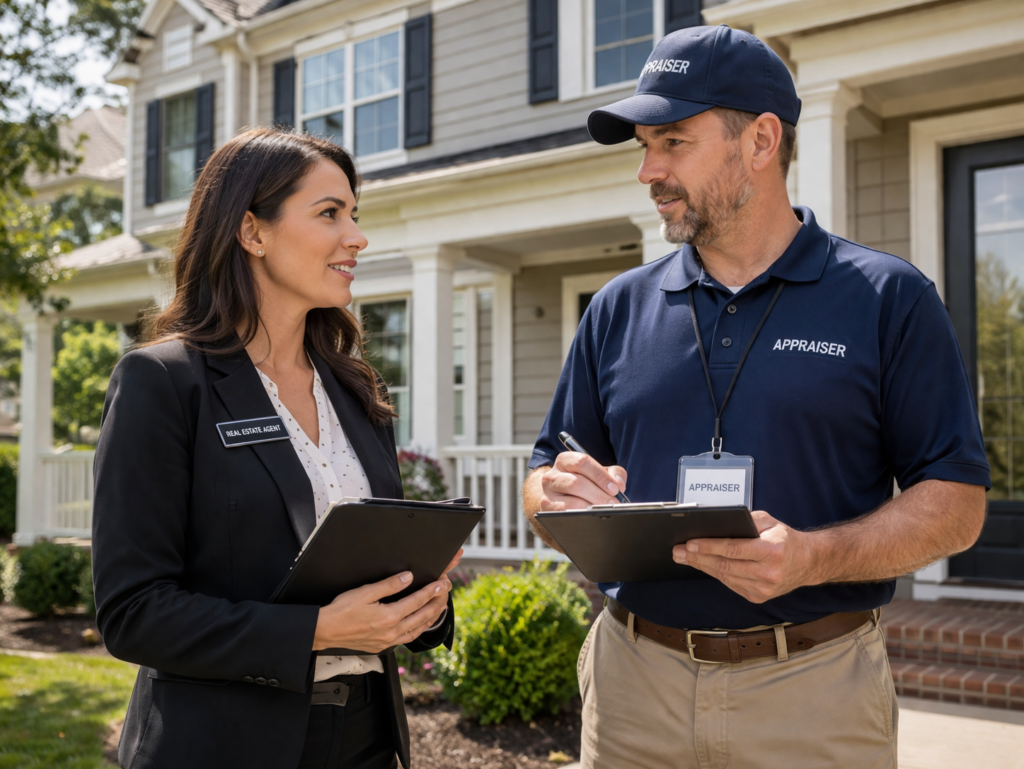
Working With the Appraiser Agents Advantage Real Estate Academy | 3 CE Hours | On-Demand
You did everything right. You priced the home, you negotiated the contract, and your buyers are excited to move in. Then the appraisal comes back — and the value doesn’t meet the contract price. Now what?
Most real estate agents were never taught how the appraisal process actually works. Licensing courses cover the basics, but they don’t explain what appraisers are looking for, how value is determined, or what you can do — before and during the process — to position a transaction for success. That gap costs agents deals, clients, and credibility.
This course closes that gap.
Working With the Appraiser is a 3-hour on-demand continuing education course designed specifically for real estate agents who want to understand the appraisal process, communicate more effectively with appraisers, and protect their transactions from valuation problems that could have been prevented.
What You’ll Be Able to Do After This Course
After completing this course, you’ll be able to:
- Explain the appraiser’s role, their relationship to the lender, and why they operate with complete independence — so you can set accurate client expectations from day one
- Prepare a professional appraisal packet that gives the appraiser the data they need to support the most accurate valuation, including improvement data, permit history, a floor plan, and comparable sales
- Identify what makes a sale a true comparable — based on Fannie Mae’s guidelines — and stop selecting comps based on price per square foot alone
- Understand how location, condition codes (C1 through C6), property type, and ownership interests affect comp selection, and why mixing up property types is one of the easiest pricing errors to make
- Recognize health and safety conditions — for both conventional and FHA financing — that will trigger required repairs, and advise your sellers to address them before the appraiser arrives
- Prepare a property correctly for the appraiser’s site visit, including what access is required, what condition issues matter most, and how to move a property from a C5 to a C4 rating when possible
- Explain ANSI measurement standards to your sellers, including why the appraiser’s square footage may differ from the tax card — and why that doesn’t necessarily affect value
- Navigate the appraisal review process, from the initial AMC submission through desk review, field review, and Fannie Mae’s Collateral Underwriter
- Understand hybrid appraisals and property data collectors — what they are, what their limitations are, and how your MLS listing data plays a bigger role than ever in the valuation process
- Have an informed conversation about solar panels, in-law zoning, multiple offers, and other factors agents frequently ask appraisers about — and know exactly how each one does or doesn’t affect value
What’s Covered
This course walks through the complete appraiser-agent relationship, from the moment a property goes under contract through the delivery of the final appraisal report. Topics include:
The Appraiser’s Role — Who the appraiser actually works for, what their job is, and what it isn’t. The appraiser is not there to make the deal work. Understanding this changes how you prepare — and how you communicate with your clients.
Market Value — What market value actually means under Fannie Mae guidelines, why the contract price doesn’t determine it, and why multiple offers don’t automatically raise it.
Independence and Impartiality — What appraiser independence means in practice, what constitutes pressure, and whether providing comparable sales crosses a line.
Comparable Sales — How to identify and evaluate a true comparable sale, including location, condition, size, style, age, and property type. Why price per square foot is not a valid comp selection method — illustrated with a case study.
C Codes — The six Fannie Mae condition ratings (C1–C6), what each one means, and why the difference between a C4 and a C5 can change the financing options available to your buyer.
The Appraiser’s Site Visit — What appraisers are looking for when they walk through a property, including functional utility issues, ANSI square footage standards, above-grade vs. below-grade living area, and environmental factors.
Preparing an Appraisal Packet — A step-by-step breakdown of what to include, what to leave out, and how to present your comparable sales in a way that is useful rather than perceived as pressure.
Hybrid Appraisals and Property Data Collectors — The rise of desktop appraisals, who property data collectors are, what they do and don’t capture, and why your MLS listing details matter more in a hybrid appraisal than in a traditional one.
The Appraisal Review Process — What happens after the appraiser submits the report, including AMC review, desk review, field review, and how Fannie Mae’s Collateral Underwriter evaluates comparable selection.
Health and Safety Conditions — What Fannie Mae requires appraisers to report, what conditions trigger required repairs for FHA and conventional loans, and how to identify and address them before the site visit.
Who This Course Is For
This course is appropriate for licensed real estate agents at any experience level. Whether you’re newer to the business and want to build a solid foundation, or you’ve been practicing for years and want to fill in the gaps, the information in this course will make you a more effective advocate for your clients throughout the transaction.
About Agents Advantage Real Estate Academy
Agents Advantage Real Estate Academy is a state-approved continuing education school. Our courses translate professional appraisal methodology into practical, usable knowledge for real estate agents — grounded in Fannie Mae guidelines and real-world practice.
This course is approved for 3 hours of continuing education credit. Please verify approval in your state before enrolling.